
The Basics of Home CCTV
Installing CCTV at home is legal in the UK and increasingly common. Most people do it to deter burglars or to keep an eye on their property, and there is nothing wrong with that. In most cases, you do not need planning permission or your neighbours' consent to put up cameras on your own home, though there can be exceptions for listed buildings or properties in conservation areas.
If you're concerned that a neighbour's camera is pointing at your property or capturing more than it should, you can use our free CCTV and Privacy Checker.
Where it gets more complicated is when your cameras capture images beyond your own property. If your CCTV records footage of a neighbour's garden, their front door, or a shared driveway, you may start to engage legal obligations, and there are several laws that could apply.
Which Laws Apply
Home CCTV does not fall under the UK GDPR or the Data Protection Act 2018 if you are using it purely for personal or household purposes. This is sometimes called the "household exemption". As long as your cameras only cover your own property, the data protection rules do not apply to you.
However, if your system captures footage beyond your property boundary, such as a neighbour's house, their garden or a public footpath, the household exemption may no longer apply. At that point, you could technically become a data controller under the UK GDPR, with obligations around how you store, use and share the footage. People whose images are captured may also have the right to request access to that footage. In practice, the Information Commissioner's Office (ICO) tends to try informal resolution with householders first, but they do have the authority to take formal action where they consider it necessary.
The other laws that can come into play are the Protection from Harassment Act 1997 and general nuisance law. Privacy arguments can also be raised in civil cases, drawing on Article 8 of the Human Rights Act 1998. If a camera is positioned in a way that makes a neighbour feel watched or intimidated, they may have grounds to take action under one or more of these.

Check your legal rights in any neighbour dispute. Takes 1 minute.
Try our Neighbour Rights Checker free, here on this site →What Counts as a Problem
A camera pointed at your own front door that happens to catch a sliver of the pavement is unlikely to cause trouble. A camera angled directly at a neighbour's bedroom window is a different matter. The key question is whether the setup is proportionate: does the camera capture only what is reasonably needed for security, or does it go further than that?
Common complaints between neighbours include cameras that overlook a garden where children play, cameras with audio recording that pick up private conversations, and cameras positioned so that they make a neighbour feel deliberately surveilled. Even if the camera owner has no bad intentions, the effect on the neighbour is what matters.
If a neighbour asks you to adjust a camera and you refuse, they can report the matter to the police (who may treat it as harassment if there is a pattern of behaviour), complain to the ICO, or in some cases take civil action. Courts have ordered cameras to be repositioned or removed where they found the installation was disproportionate.
Your situation may be slightly different. ask a question below ↓ and our editorial team will reply with our advice.
What You Can Do if a Neighbour's CCTV Bothers You
Start by talking to your neighbour: our guide on what to do about a neighbour's CCTV camera walks through the options. In many cases, they may not realise their camera captures your property, and a polite conversation can resolve things quickly. If the camera has been put up following a dispute, the conversation may be harder, but it is still worth trying before escalating.
If talking does not work, you can write a formal letter asking them to adjust or reposition the camera. Keep a copy. You can also contact the ICO, who have published guidance on domestic CCTV and can investigate complaints where footage goes beyond the owner's property. They tend to try informal resolution first, but can issue enforcement notices if needed.
If the situation amounts to harassment, such as a camera being used to monitor your movements or intimidate you, the police can get involved. Under the Protection from Harassment Act, a course of conduct that causes alarm or distress can be a criminal offence. In serious cases, you could also seek an injunction through the civil courts.
Keeping Your Own CCTV on the Right Side of the Law
If you are installing CCTV at home, a few practical steps will help you avoid problems. Point cameras at your own property as far as possible. If a camera unavoidably captures part of a neighbour's property or a public area, consider adjusting the angle, using privacy masking (most modern systems support this), or reducing the field of view.
Let your neighbours know you have cameras. You are not legally required to put up signs for a purely domestic system, but it is good practice and can prevent misunderstandings. Store footage securely and do not share it publicly, for example on social media, unless there is a genuine reason such as helping police identify a suspect.
Being open and reasonable about your CCTV is the simplest way to avoid disputes. If a neighbour raises a concern, take it seriously rather than dismissing it. Most problems with home CCTV come not from the cameras themselves but from a breakdown in communication between neighbours.

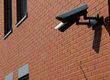


The problem is is always been a trouble maker and if anyone seeks to this elderly neighbours she accesses them of talking about her, she's even sent hate mail to other neighbours who talk to them.
This situation is out of hand, this elderly lady is scared to look out of the window, close her curtains, they've also had their car scratched, these people ate making their lives hell,
They take the cctv cameras down but 5 minutes later when the housing people have left they put them back up.
No one should have to live like prisoners in their home, and even though its s council estate, and they've warned this women she just laughs and brags about it.
What else can we do, it's difficult for this elder lady to move cause she needs an adapted house and there's none about. So she's stuck.
I can't put my name on her because if she sees it I know my life won't be worth living she'll make it hell,
This is from the ICO website:
Data protection law says that people who capture images or audio recordings from outside their property boundary using a fixed camera, such as a CCTV camera or smart doorbell, should:
tell people that they are using recording equipment;
in most circumstances, provide some of the recording if asked by a person whose images have been captured;
regularly or automatically delete footage;
in most circumstances, delete recordings of people if they ask; and
stop recording a person if they object to being recorded, but only if it is possible to do so. For example, if they can point the camera in a different direction but still use it for the same purposes, eg keeping their property safe.
Ask Problem Neighbours a question
Ask our editorial team a question and we will reply with our advice. Tell us as much about your situation as you can: the more detail you give, the more useful our answer can be.
You do not need to use your real name. Please do not include your full address, phone number, email address, or the names of other people. We may edit or remove identifying details for privacy and legal reasons.
Comments are moderated before publication.